
1. Why Black Friday Matters for Nurseries

Craft materials are one of the biggest line items in a nursery’s annual materials budget. Wooden beads, craft kits, string, felt, feathers, glue — it all adds up to four or five figures over a year. Smart planning means you can save 20 to 30 per cent of that budget at Black Friday without compromising quality.
What’s more, many suppliers — including Kiki-Ena — offer bulk discounts at Black Friday, free shipping on lower minimum orders, and sometimes extended payment terms. For nurseries, local authorities and public institutions, that makes the buying opportunity especially attractive.
Thirdly: delivery times are a little longer in Black Friday week, but if you plan ahead and order by the end of November, you’ll have your materials in time for Christmas and Advent — precisely when nurseries use craft supplies most intensively.
2. How to Forecast Your Annual Needs Realistically
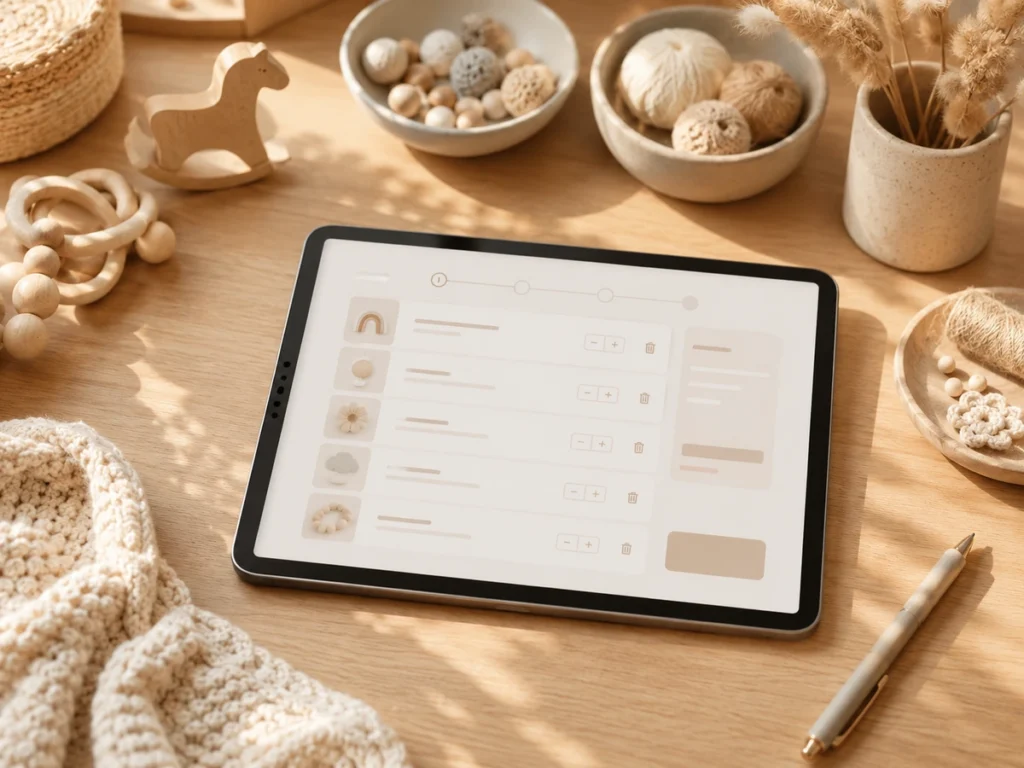
Before you start, you need an honest stock take. Here’s a method that works:
Step 1: Check What You Have
Go through your craft materials store and do an inventory. How much are you holding of each type of wooden bead? Which craft kits haven’t been touched? Which materials have barely been used?
Step 2: Look at the Past
If you’ve kept records from previous years, review them. Which materials ran out early? Which craft themes come around every year (Christmas, Easter, Mother’s Day, Father’s Day)?
Step 3: Create a Seasonal Calendar
Make a calendar of your peak craft times:
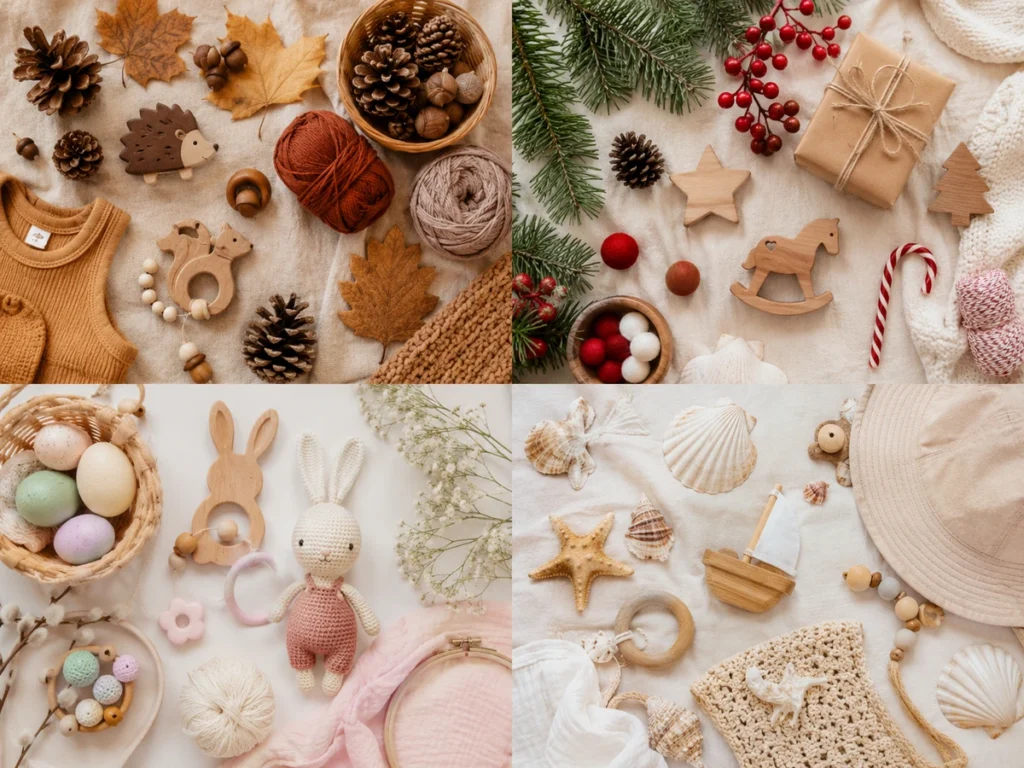
- September/October: Autumn themes (pine cones, acorns, warm colours)
- November: Pre-Christmas decorations, lanterns
- December: Advent decorations, gifts children make for parents
- February: Carnival, fancy dress fun
- March/April: Easter, spring decorations
- May: Mother’s and Father’s Days, preparing for summer
- June/July: Farewell gifts from children moving on to school, summer celebrations
Step 4: Calculate Seasonal Needs
For each activity: how many children, how many crafts per child, how much material per piece? Always plan a 15 to 20 per cent buffer — for the children who go wrong, latecomers, or projects you add on the spot.
3. The Ideal Black Friday Shopping List for Nurseries
Core Materials (Always Stocked)
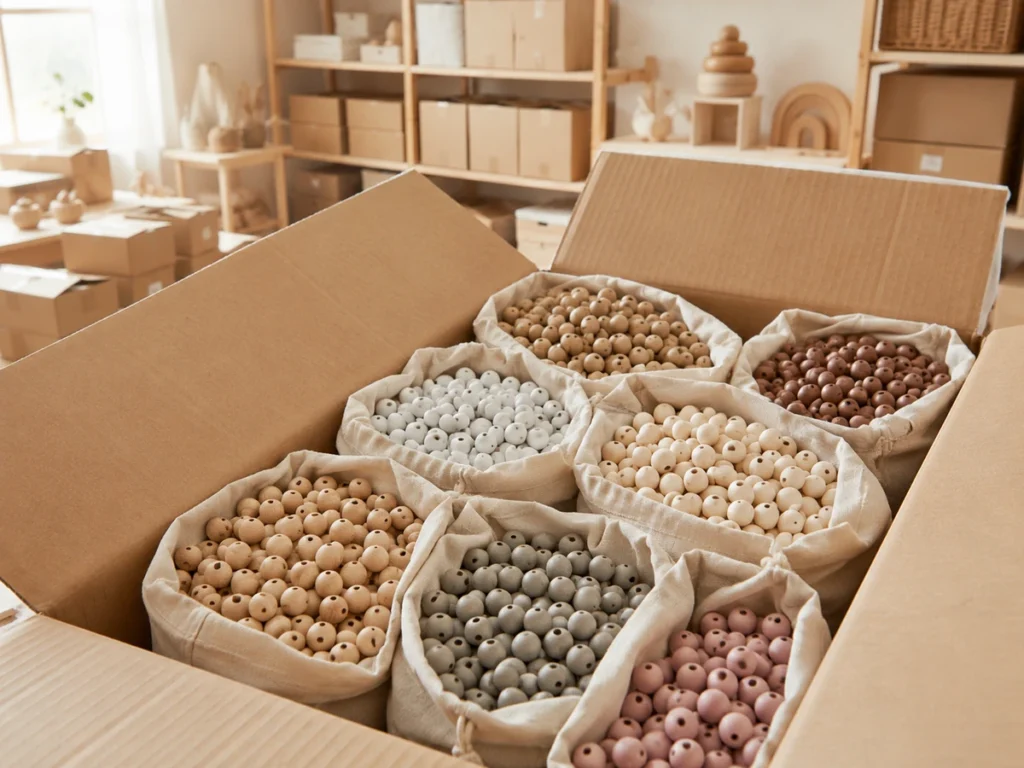
- Wooden beads 12–15 mm in primary colours (natural wood, red, blue, yellow, green, white): 200–500 per colour. Available in our beads category.
- Wooden beads 15 mm in pastels for spring and baby themes: 100–200 per colour.
- Letter beads: one complete set per group, plus spares.
- Shaped beads: stars, hearts, animals, 100–200 of each.
- Organic cotton cord: roughly 50 to 100 metres a year, depending on group size.
- Child-safe craft glue: four to six bottles per group per year.
- Felt in earth tones: 10–20 sheets for seasonal projects.
Seasonal Sets
- Christmas craft kits: one per child, plus spares. Available under craft kits.
- Easter craft kits: one per child.
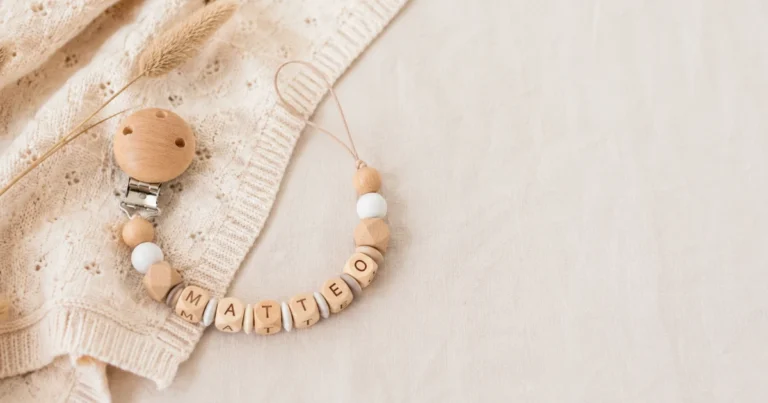
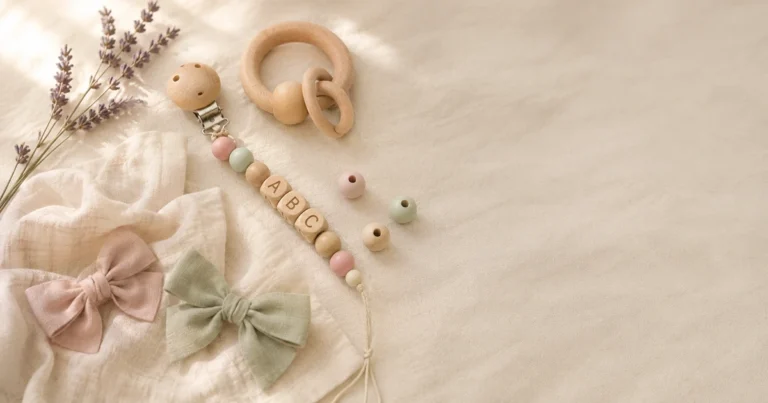
- Dummy chains and teething ring kits for under-threes: 10–20 per year.
Specialist Materials
- Wooden rings and wooden clips for teething rings and mobiles
- Bells for sound effects
- Wooden lentil beads (safety beads) for securing knots
4. Safety and Quality — What Never to Compromise On
Price matters, but it’s never the main criterion. These points are non-negotiable:
- DIN EN 71-3 certified. Every craft material in a nursery must meet this European standard for elemental migration. No compromise. All Kiki-Ena materials meet this standard.
- Saliva-proof and perspiration-proof. Children explore materials by mouth. Untested colours can rub off on contact.
- Splinter-free. Wooden beads must be cleanly finished with no rough edges.
- Hole size appropriate. Holes that are too tight make threading difficult and frustrate young children.
- Traceable origins. Materials made in Germany give confidence about production standards and quality control.
Ordering materials from abroad from unknown suppliers puts the children at risk and jeopardises your insurance too. A good rule of thumb: if the price is 60 per cent below the market average, something’s wrong.
5. Administration, Invoicing and Storage
Invoice Terms for Public Institutions
Kiki-Ena offers nurseries, local authorities and public institutions invoice terms with 14 days to pay. This means you can place your Black Friday order and pay the invoice in the next financial quarter — a real advantage when budgets work that way.
Delivery Costs
Free delivery within Germany on orders over €100. For nurseries ordering hundreds of euros’ worth, that’s standard.
Quantity Discounts
Many items have tiered pricing — the per-unit price drops from ten units onwards. Plan larger quantities per item rather than spreading ten units across five types.
Storage
A good storage space has:
- Dry air (not damp basements)
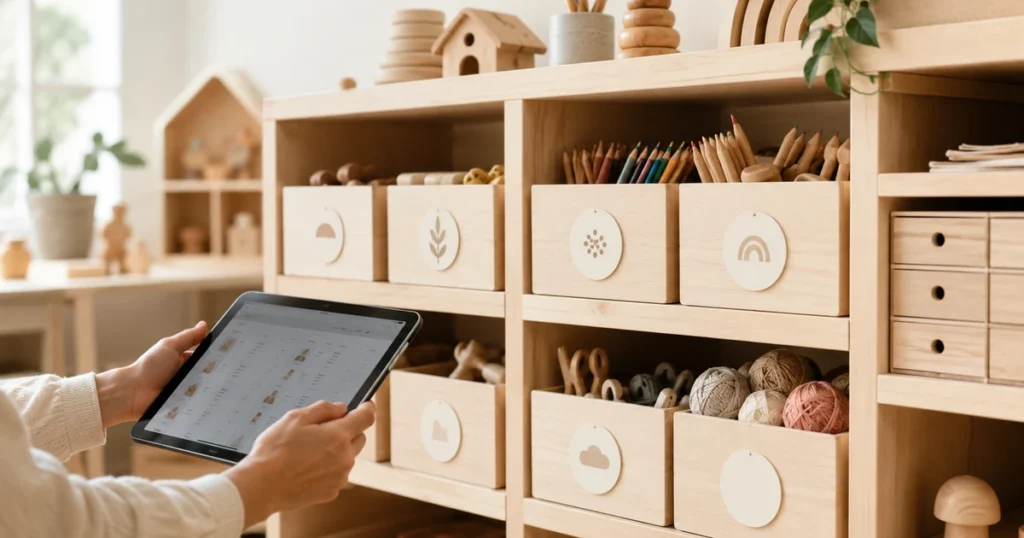
- Clear sorting in labelled boxes
- An inventory list (digital or on paper)
- Regular stock checks (at least twice a year)
When to Order
The ideal time to order is the week before Black Friday (pre-orders sometimes get priority processing) or Black Friday itself. Avoid last-minute orders on Cyber Monday — delivery times are often longer then.
FAQ
What payment methods does Kiki-Ena offer nurseries?
PayPal, Instant Bank Transfer, Bank Transfer and invoice terms with 14 days to pay for public institutions, local authorities and regular customers.
From what order size do discounts apply?
Many items have tiered pricing from ten units. Plus there are additional promotional discounts at Black Friday.
How quickly will a Black Friday order arrive?
Within Germany, typically 3 to 7 working days — a little longer during Black Friday week than usual.
Can orders for nurseries be specially picked and packaged?
Yes, for larger orders we can pick and label items individually on request.
What if the materials I ordered weren’t enough?
You can reorder at any time. But do plan a 15 to 20 per cent buffer into your initial order.
Ready to Plan for Black Friday Week
Browse our Kindergarten/Nursery category for bulk items. You’ll find seasonal craft kits under Craft Kits, and our full range of beads in the Beads category. For inspiration on specific craft projects, read our guides on Making Teething Rings and Making Worry Worms.