
1. What PEFC Actually Is and What It Checks
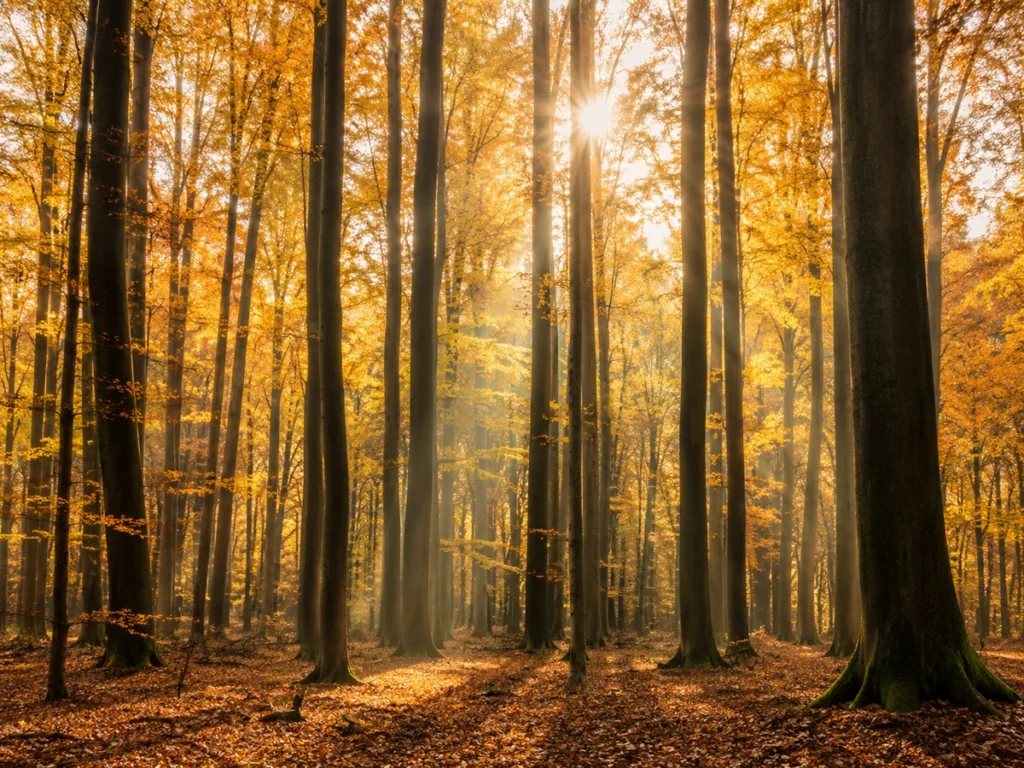
PEFC stands for ‘Programme for the Endorsement of Forest Certification Schemes’. It’s the world’s largest independent certification system for sustainable forest management and was founded in Helsinki in 1999, originally as Europe’s answer to the North American-dominated FSC.
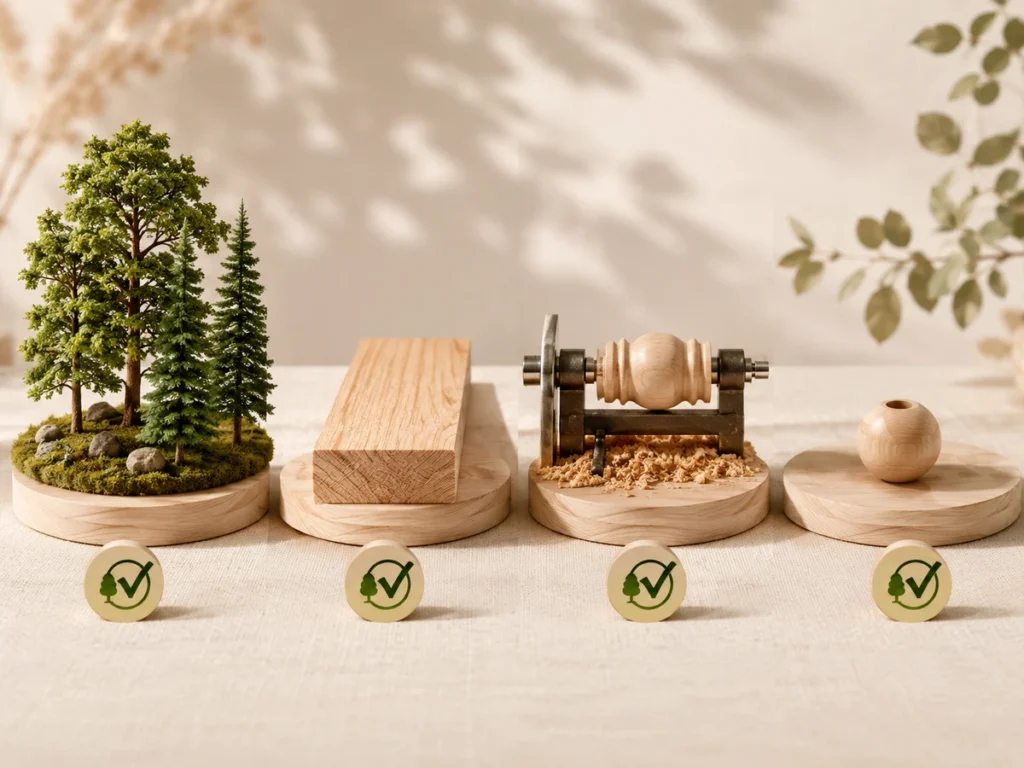
A PEFC certification covers three stages: first, forest certification – the forestry business must prove that no more timber is harvested than regrows, that biodiversity is preserved, and that labour standards for forest workers are met. Second, chain-of-custody – every step in the processing chain (sawmill, planing, turning workshop) must be certified and must document where the timber comes from. Third, independent verification by accredited auditors who carry out regular site inspections.
2. PEFC or FSC: What’s the Difference?
Both systems pursue the same goal – sustainable forestry – but with different approaches. FSC (Forest Stewardship Council) was founded in Canada in 1993 and is somewhat better known internationally, especially among consumer brands. PEFC is more widely represented in Germany and Central Europe: about two-thirds of German forests are PEFC-certified, only around eight per cent FSC-certified.
The key practical difference: PEFC certifies entire forest regions – so-called ‘regional groups’ – and tailors the criteria to regional conditions. This suits Germany’s small and medium-sized forest structure (average size 2.4 hectares) better than FSC’s single-operation system. FSC works with stricter, internationally uniform criteria, which makes it more demanding and costly for small forest owners.
For baby toys made from German maple is therefore the obvious choice – simply because the supply chain is regional and most forestry businesses work within the PEFC system.
3. Why Is PEFC Particularly Relevant for Baby Toys?
For three reasons. First, contaminant safety: timber from uncertified sources – particularly from tropical forests or China – is often contaminated with pesticides, wood preservatives or heavy metals from treatment. A PEFC supply chain guarantees that the timber grew in the forest without synthetic treatments and wasn’t chemically processed at the sawmill.
Second, quality: maple from sustainably managed German forests grows more slowly than plantation timber from subtropical regions. Slowly grown timber has denser growth rings and therefore higher Brinell hardness (around 30 N/mm²). This is precisely what makes it robust enough for craft materials that go into babies’ mouths.
Third, traceability: in the event of a complaint or recall, the supply chain can be fully traced back – right down to the specific forest area. This is practically impossible with uncertified imports.
4. German Forestry and Its Role
Germany has one of the most tightly regulated forestry sectors in the world. The Federal Forest Act has mandated sustainable management since 1975 – PEFC is essentially certified proof that these already-mandatory standards are being met. Some 7.6 million hectares of German forest are PEFC-certified (as of 2025), representing around 70 per cent of total forest area.
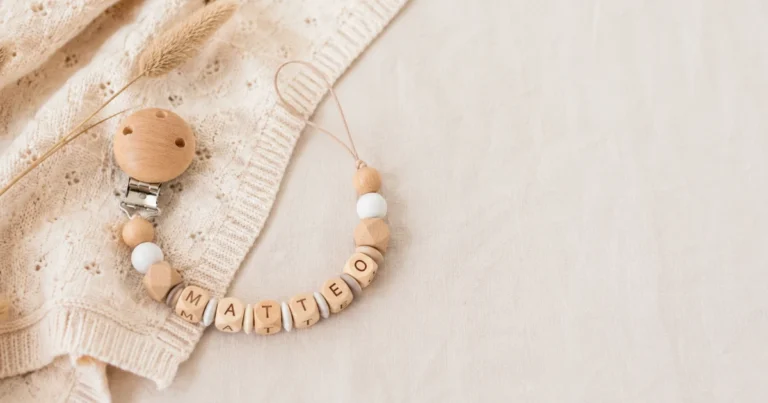
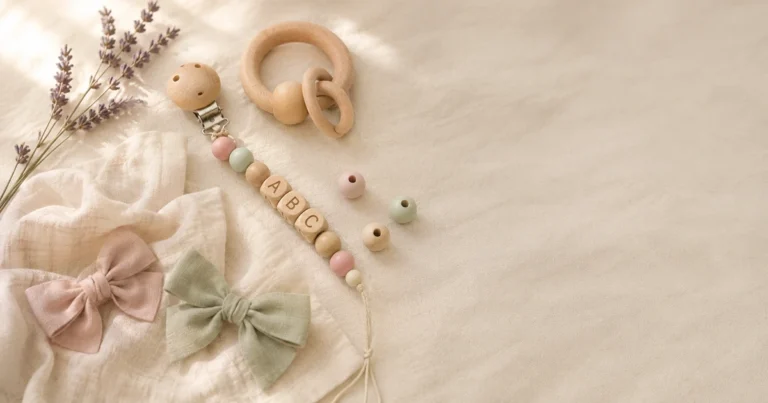
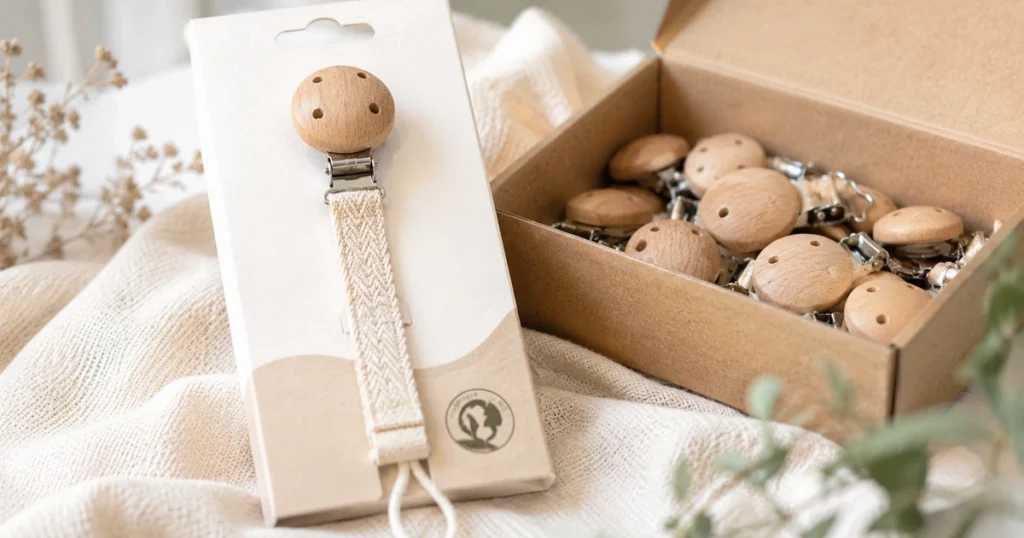
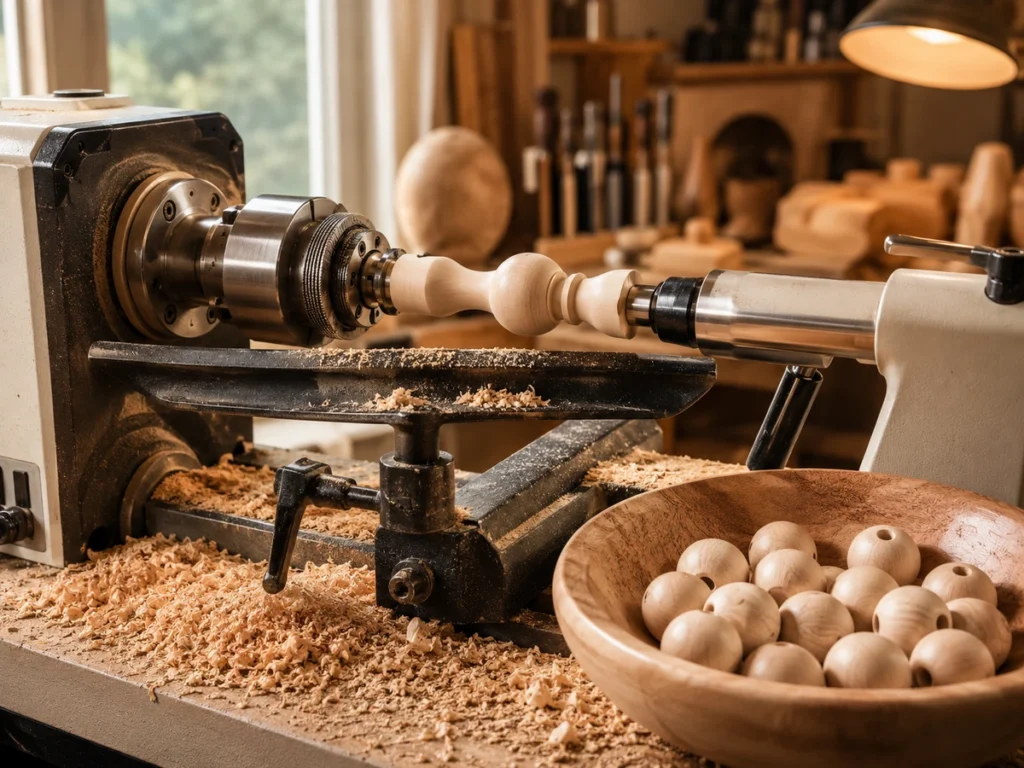
For our wooden beads and dummy clips, in practice this means: the maple timber comes primarily from forest areas in Bavaria, Thuringia, Hesse and Saxony. The logs are processed locally in sawmills into blanks, which we then turn into beads and clips in our own workshop. Every step is PEFC-documented – from the felled tree to the ready-to-ship craft kit.
5. What to Look For When Buying
Four pointers will help you tell genuine PEFC goods from marketing speak:
- Specific certificate number: Reputable manufacturers display their PEFC certificate number (format: PEFC/04-31-XXXX). You can verify this on the PEFC website.
- Logo plus supporting text: The PEFC logo alone isn’t enough – there must be accompanying text such as ‘from sustainable forestry’ and the certification number for that batch.
- Country of manufacture: The certified forest should be in the same country or at least the same region as the processing. PEFC timber from China is possible, but makes little sense because transport destroys the environmental credentials.
- Material purity: If in doubt, ask the manufacturer whether the maple is genuinely pure. Some makers blend in cheaper birch or beech and label the whole product as ‘maple’ – PEFC doesn’t directly prohibit this, but reputable suppliers stick to strict sort separation.
At Kiki-Ena, we use exclusively PEFC-certified German maple for our dummy clips and wooden beads, processed locally. We hold certificate numbers on file and provide them to bulk customers – such as nurseries – in the conformity statement.
FAQ — PEFC and Wooden Toys
Is PEFC Timber Automatically Contaminant-Free?
PEFC guarantees sustainable sourcing, not directly contaminant-free status. However, in practice a PEFC supply chain means no chemical treatments or pesticides are used – testing for contaminants under DIN EN 71-3 provides a second layer of safety.
How Do I Tell PEFC and FSC Apart at a Glance?
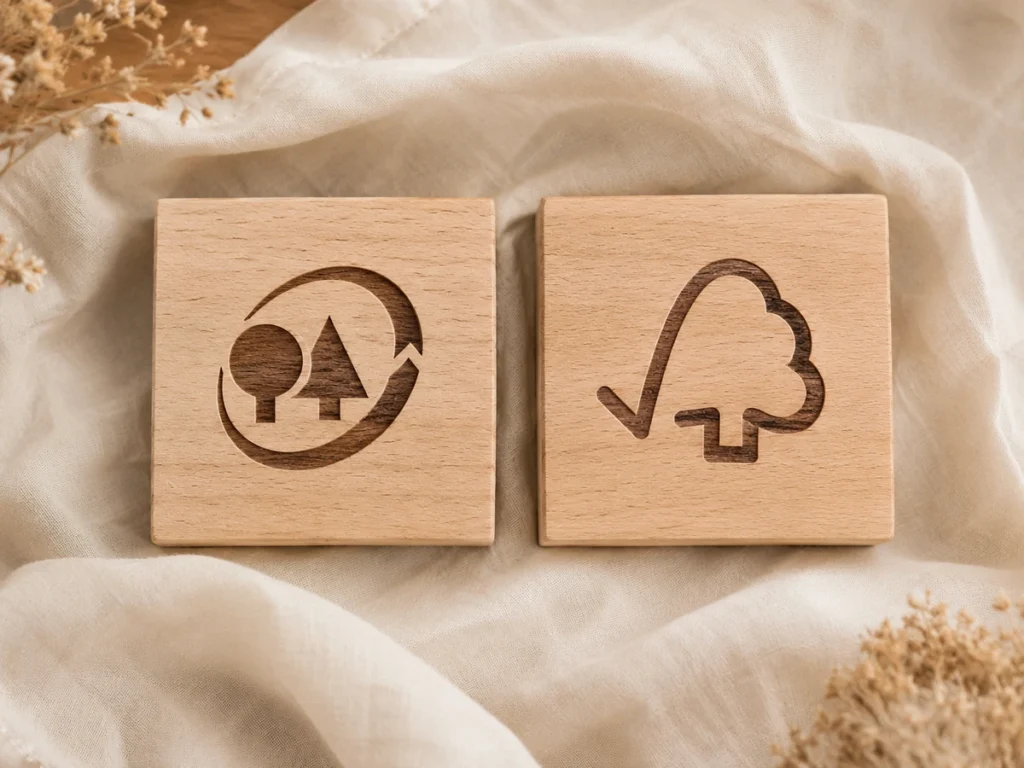
The PEFC logo shows two stylised trees within a double tick. The FSC logo shows a tree with a tick. Both systems are recognised – PEFC dominates in Central Europe, FSC more in tropical timber supply chains.
Is There Baby Toy Gear That Carries Both Certifications?
Yes, some manufacturers carry both. In everyday practice, one certification is sufficient if the timber comes from a transparently documented region.
Why Is Tropical Timber Problematic for Baby Toys?
First, ecologically (deforestation), second, health-wise – many tropical timbers contain natural compounds (e.g. allergens like in rosewood) or are routinely chemically treated. PEFC-certified Central European timbers such as maple or beech are far the safer choice here.
Does PEFC Timber Cost More?
The certification itself adds only a few per cent to the timber cost. The noticeable price difference in high-quality craft materials comes more from German processing and strict sort separation – not from the PEFC logo alone.
Want sustainable craft materials? Our wooden beads and dummy clips come exclusively from PEFC-certified German maple. For nurseries needing conformity documentation: check out our Nursery Guide.